Equipping a technical inspection centre: from installation to commissioning

Setting up, taking over or expanding a technical inspection centre involves putting together a coherent range of equipment, suited to the vehicles being inspected and the available premises. Here is the step-by-step process, from project scoping to commissioning.
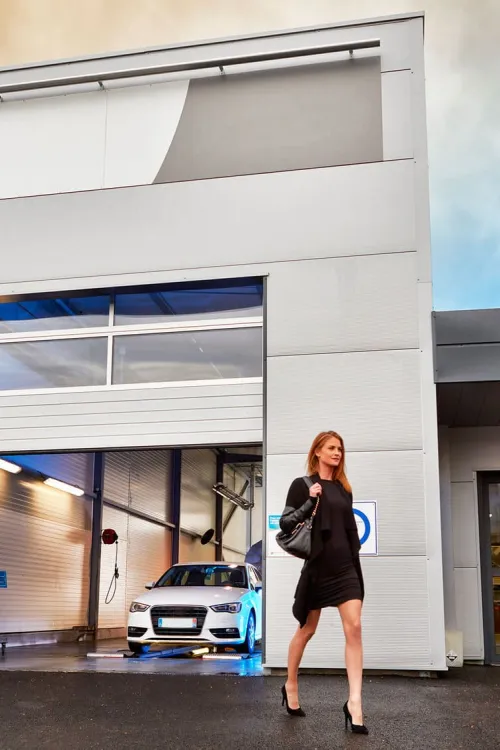
Femme devant l'entrée d'un centre de contrôle technique moderne

A technical inspection centre project is built around the business activity, not the catalogue

Before comparing equipment, a technical inspection centre project must be framed by the intended business activity: categories of vehicles to be inspected, expected throughput, number of test lanes, operating hours and five-year growth prospects. These few parameters determine the essential aspects of the configuration to be adopted.

  • Vehicle categories: light vehicles, heavy vehicles, L category vehicles. Each category requires its own measuring equipment and imposes its own installation constraints.
  • Traffic volume: this determines the level of automation, the ergonomics of workstations and the tolerance for equipment downtime.
  • The number of lines: a single-line facility and a multi-line centre are not organised in the same way, whether in terms of floor space, traffic flow or supervision.
  • The status of the project: creating a new centre, taking over an existing one or extending a network raise different issues regarding compatibility and timing.

This framework forms the starting point for the study our teams carry out with you: it ensures that only the equipment that is genuinely useful to your business is selected.

The equipment categories to be combined

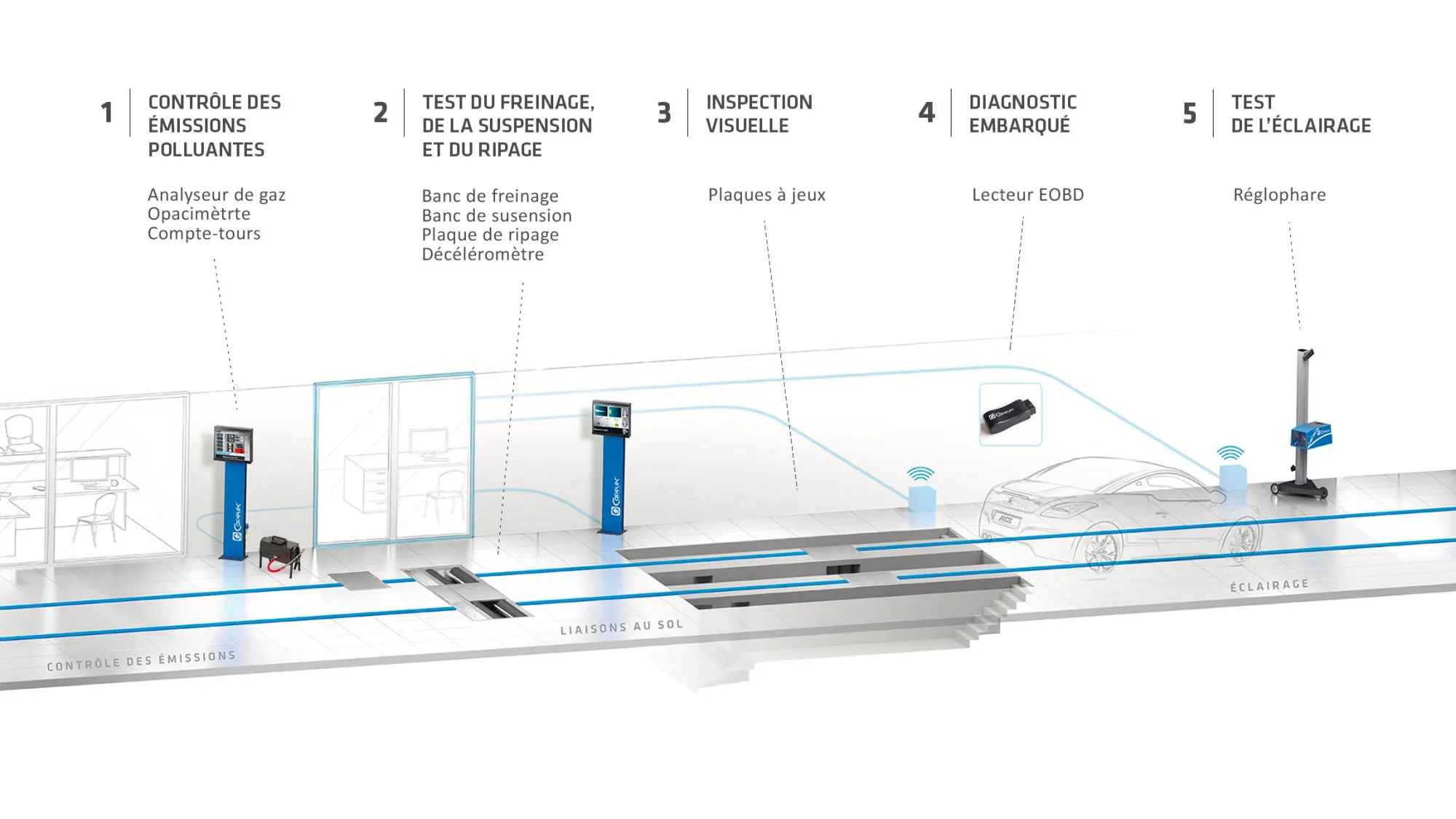
An inspection line combines four categories of equipment. The way they are integrated is just as important as their individual characteristics: it is the coherence of the whole system that determines a vehicle’s turnaround time.

Emissions analysis and emission control

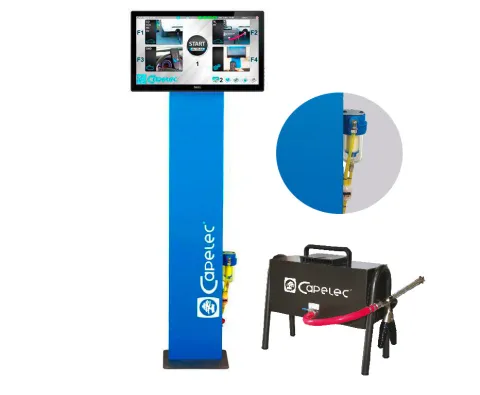
Gas analysers for petrol engines, smoke meters for diesel engines, particle counters and combined units incorporating several measurements on a single test bench. The choice depends on the engine types being tested and the layout of the test bench.

See the ranges of gas analysers, smoke meters, particle counters and combined exhaust analysers.

Braking and running gear

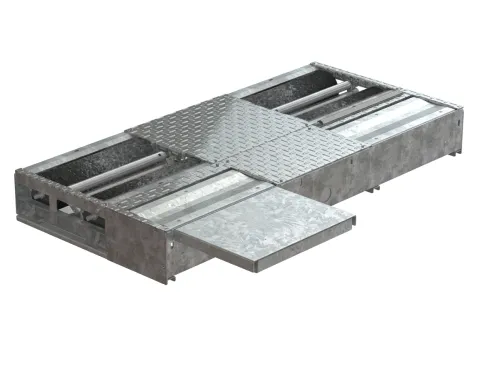
Brake testers, suspension testers, side slip testers and play detectors. This is the most critical product family for site planning: it involves civil engineering, the floor’s load-bearing capacity and workshop traffic flow.

View the ranges: brake testers, suspension testers, side slip testers and play detectors.

Lighting and visibility

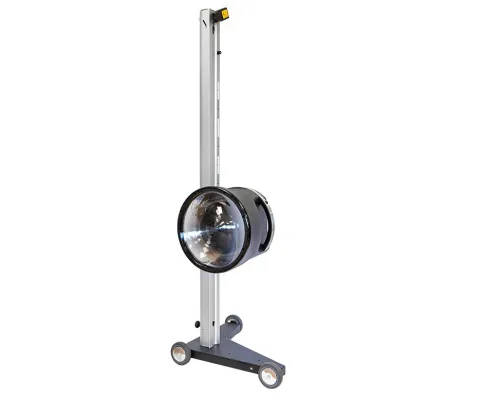
Headlamp beamsetters for checking the light beam. Recent lighting technologies (LED, matrix, adaptive) and the required precision determine the choice of device and its measurement range.

See the range of headlamp beamsetters and our guide on how to choose a headlamp beamsetter.

On-board diagnostics and supplementary measurements

OBD readers, tachometers, sound level meters, decelerometers and speed testers complete the range, depending on the protocols applied and the vehicle categories tested.

View the ranges OBD readers, sound level meters and decelerometers.

Equipment for a Capelec test line

Devices designed and manufactured by Capelec, consistent from one station to the next and maintained remotely throughout their operational life.

CAP3600 GO unit
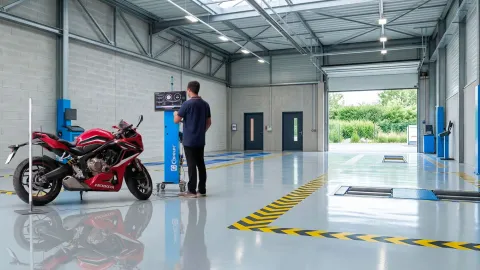
Connected 4-gas analyser and smoke meter, for testing 2-, 3- and 4-wheeled vehicles.

The six stages of an equipment project

From the initial contact to day-to-day operations, a centre project follows a consistent framework. Understanding this framework enables you to anticipate decisions that involve delays or additional work.

01

Project scope

Vehicle categories, expected volume, number of lines and timetable. This stage defines the scope of the project.

02

Equipment configuration

Selection of equipment by product family, in line with the applicable protocols and the organisation of workstations.

03

Site survey

Survey of the premises, vehicle traffic patterns, and floor and utility constraints. This stage should be undertaken at an early stage, as it may involve construction work.

04

Website preparation

Civil engineering works, electrical and pneumatic connections, IT network. These determine the installation date.

05

Installation and commissioning

Installation, connection, configuration, checks and familiarisation by operators on the test line.

06

Operation and maintenance

Software updates, periodic checks and technical interventions throughout the equipment’s service life.

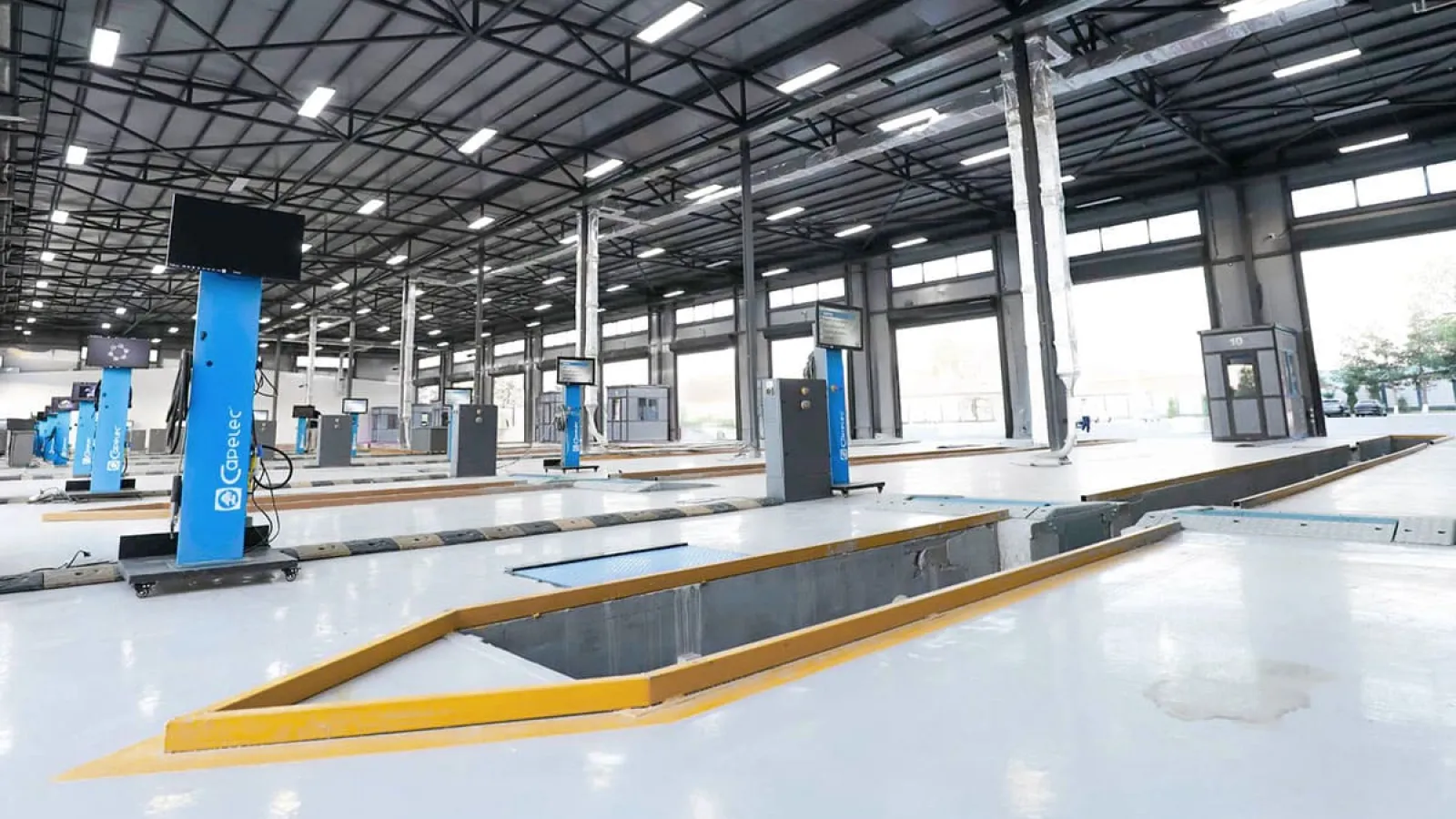
Vehicle inspection line in operation at an approved technical inspection centre

A vehicle inspection line in operation: each station is sequenced along the vehicle’s route.

Site layout: the first consideration

Most delays encountered on a centre project stem not from the equipment but from the premises. Permissible floor load, available pit depth, headroom, aisle width, position of connection points: these factors must be verified before any orders are placed, as they may require the chosen configuration to be revised.

Gathering the dimensioned floor plan, the floor slab specifications and the available power capacity at an early stage helps to secure the schedule and avoid costly modifications during construction.

Plan the layout of my line

Questions to prepare before the project

  • What is the usable floor area and the headroom?
  • Is the floor already fitted with a pit or a raised platform?
  • What electrical power is available, and where is it supplied?
  • What are the possible directions of traffic flow for vehicles entering and exiting?

What falls within the remit of your company or Capelec

The division of responsibilities between civil engineering, connections and equipment installation is determined during the project design phase, then formalised in the proposal. It depends on the site configuration and the progress of the works.

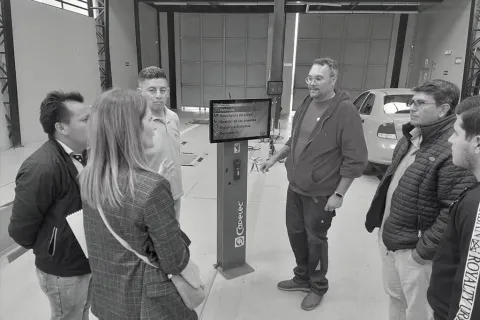
Installation, commissioning and operator training: the scope of support is defined with you during the project planning phase, depending on the chosen configuration and the progress of your site, and is then formalised in the proposal.

A single point of contact, from equipment selection to operation

Capelec designs and manufactures its own measuring equipment. Dealing directly with the manufacturer offers three tangible benefits over the lifetime of a centre: consistency between equipment within the same product line, continuous software updates in line with regulatory changes, and technical support that is familiar with the installed configuration.

This continuity is particularly important for networks of centres, which seek to deploy a standardised configuration across multiple sites and to harmonise operations.

Discover Capelec Maintenance and repair

Why choose Capelec

Design office and factory together in Montpellier: you deal directly with the designer and manufacturer of your equipment, from design to maintenance. Equipment in use on every continent, with subsidiaries in Germany and India.

30+ years

designing and manufacturing measuring equipment

ISO 9001

certified production, every unit checked at the end of the line

10%

of revenue invested in research and development

48h

to receive a proposal tailored to your project

Frequently Asked Questions

Where should one start with a technical inspection centre project?

Through the definition of the scope of operations: categories of vehicles inspected, expected throughput, number of test lanes, operating hours and prospects for growth. These parameters determine the essential aspects of the equipment configuration.

Can Capelec supply the entire range?

Yes. Capelec designs and manufactures all the test stations in a test line: emissions, braking and running gear, lighting and on-board diagnostics. Dealing directly with the manufacturer ensures consistency of equipment and continuity of updates.

Is it necessary to have premises that are already fitted out?

No, but the premises must be assessed at an early stage: floor load, pit, headroom, access routes and connections may require building work. A site survey must be carried out before any order is placed.

Who installs the equipment and trains the operators?

Capelec technicians and a network of authorised partners provide installation, commissioning, operator training and maintenance, including updates and remote support.

How long will it take to receive a quote?

A tailored quote will be sent to you within 48 hours of receiving your project description.

Take your project further

Preparing the implementation
The characteristics of the premises to be noted and the requirements to be checked prior to the installation of a test line.

Configurations by centre type

Heavy vehicles Centre
Specific features of a heavy goods vehicle test line: loads, dimensions, traffic flow and test stations.

Planning a technical inspection centre?

Tell us about your business, your vehicles and your premises: our teams will assess the most suitable configuration and the corresponding scope of support.

Back to top