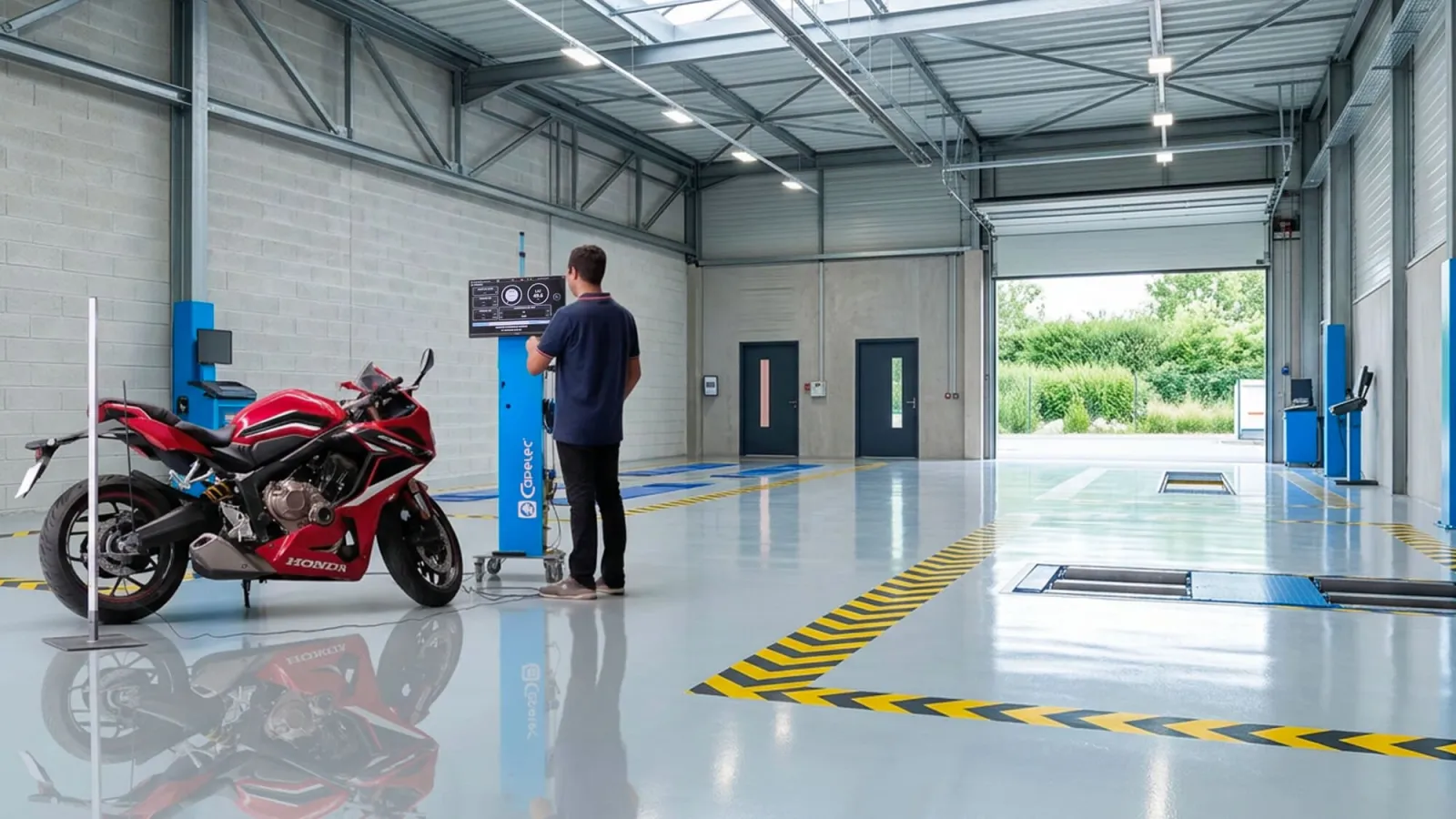
MOT - Two-wheelers
Motorbikes, scooters, tricycles, quadricycles and microcars form a family of vehicles with very specific measurement requirements. Discover Capelec’s equipment designed for testing Category L vehicles.

Search
Change language
CloseMOT - Two-wheelers
Motorbikes, scooters, tricycles, quadricycles and microcars form a family of vehicles with very specific measurement requirements. Discover Capelec’s equipment designed for testing Category L vehicles.
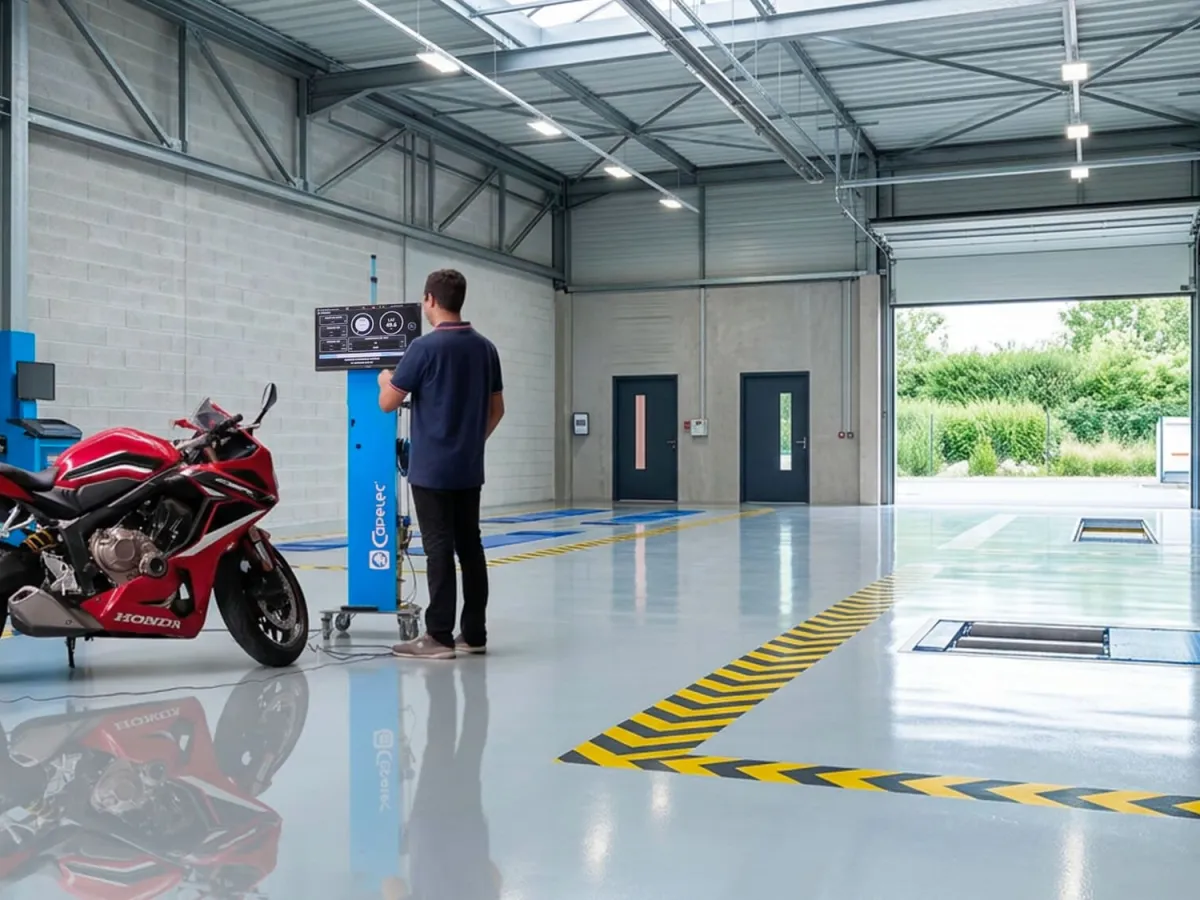
The term ‘two-wheeler roadworthiness test’ actually covers a much wider range of vehicles: mopeds and scooters, motorcycles with or without sidecars, motorised tricycles, light and heavy quadricycles, and sometimes those with bodywork — microcars.
Engineers design equipment tailored to these vehicle types: compact and high-performance, they ensure ease of use and measurement accuracy. They are available in different versions to suit the vehicles and the regulations in force in each market.
The farm
A two-wheeler is not stable on its own. Ensuring it is correctly positioned is crucial both for the reliability of the measurement and the operator’s safety: this is the key feature of a Category L test.
Specifications
The measurement ranges differ from those of a light vehicle. An unsuitable device loses sensitivity and accuracy: the effectiveness of a piece of equipment must be verified on a model-by-model basis.
The ergonomics and specifications must be suited to the intended uses and vehicle specifications (category L).
Taking measurements
Exhaust systems, lighting and braking components vary from one model to another, which requires inspectors to have the necessary expertise and training.
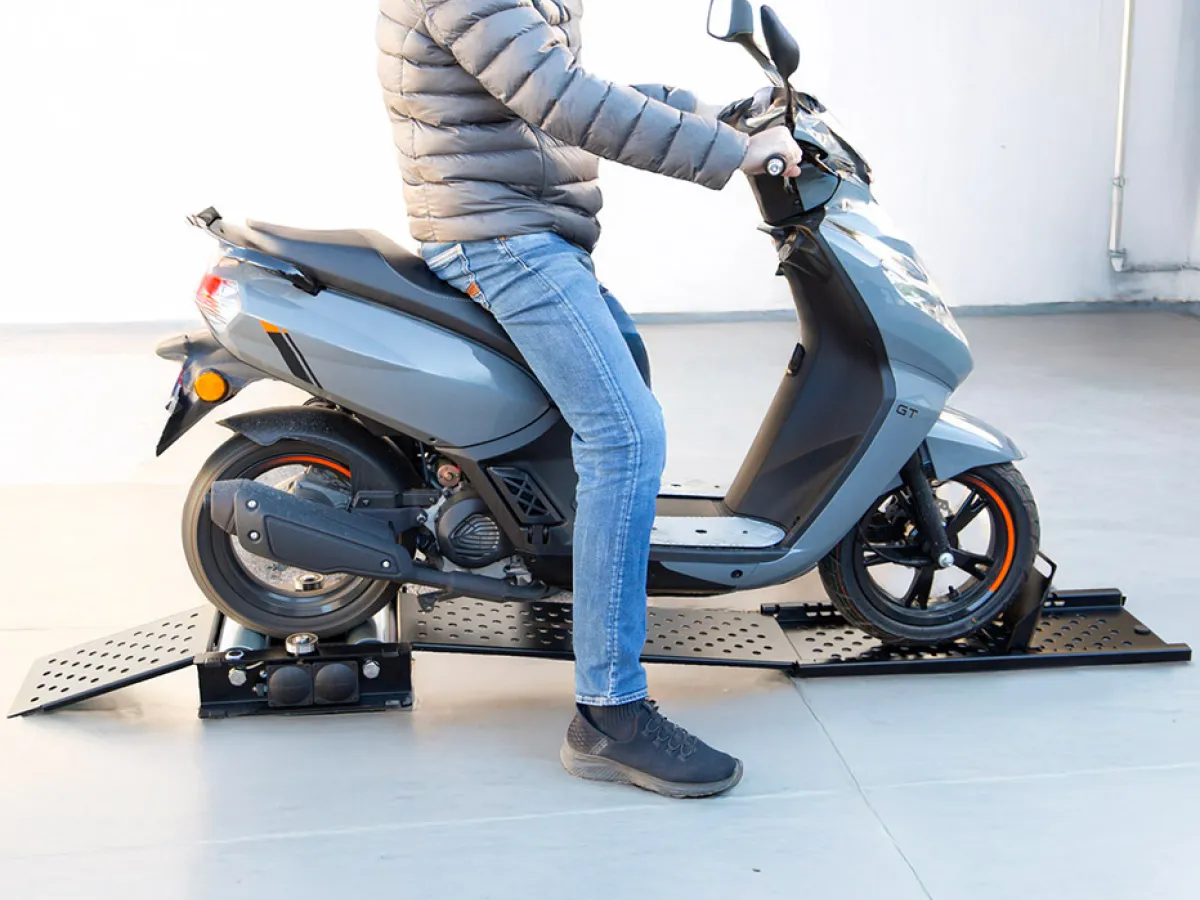
The roadworthiness test for an L-category vehicle requires the inspection of various components, usually whilst the vehicle is on a reduced footprint.
Emissions levels, noise levels, speed and lighting are tested. Braking may also be included.
Checking noise levels is one of the specific requirements for this category, and it requires a suitable sound level meter and a controlled testing environment.
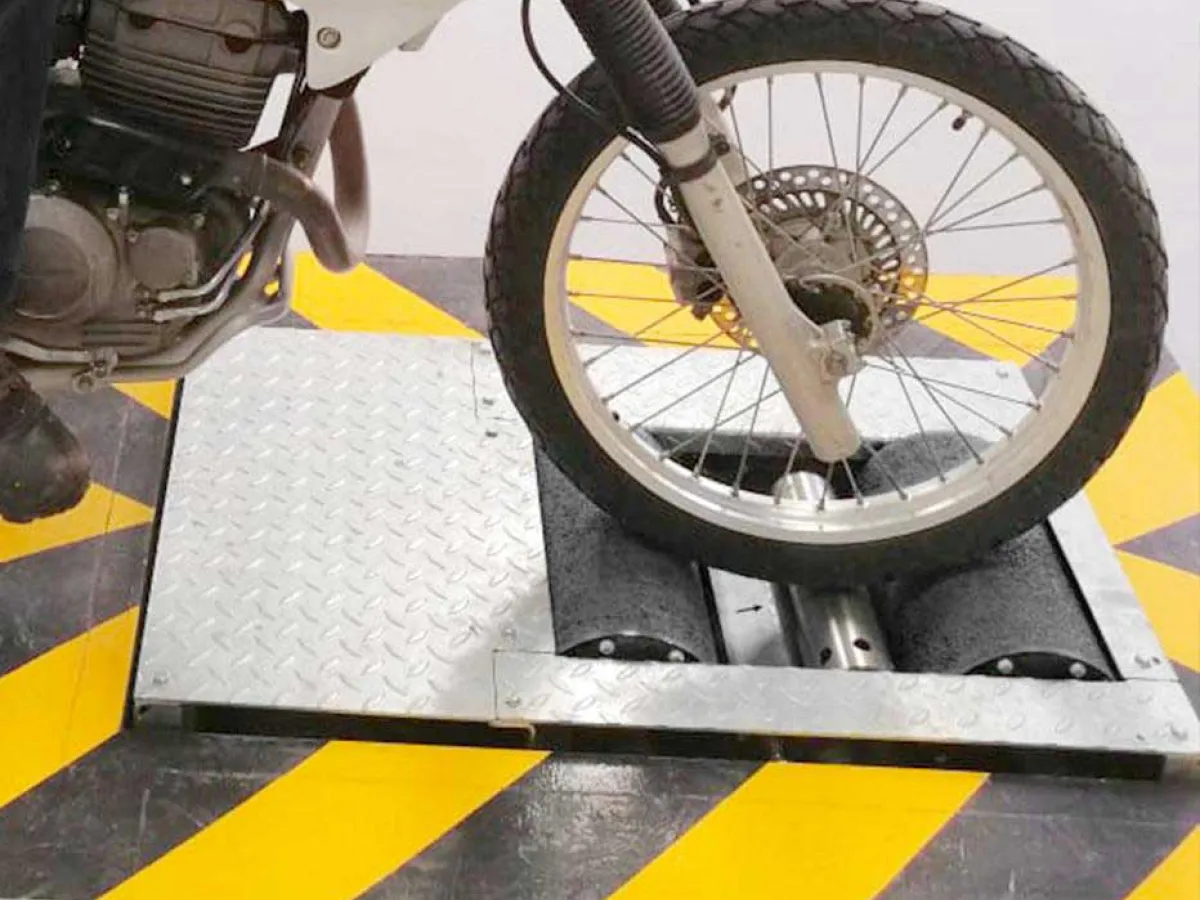
There are two very different scenarios. At an existing light vehicle centre, the challenge is to integrate a Category L bay without disrupting the existing flow of traffic: this is treated as a site layout study in its own right.
In the case of a new build, however, the Category L activity can shape the layout of the premises from the outset, with access and a waiting area designed for vehicles that are manoeuvred by hand, and throughput volumes concentrated into short time slots.
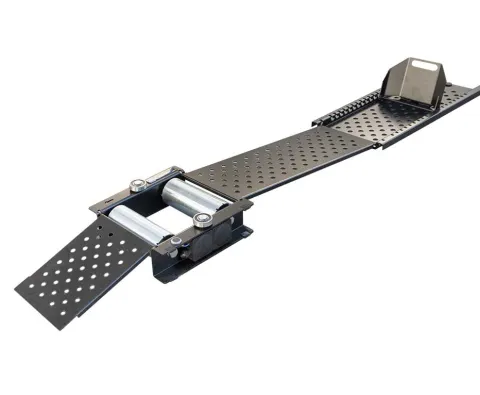
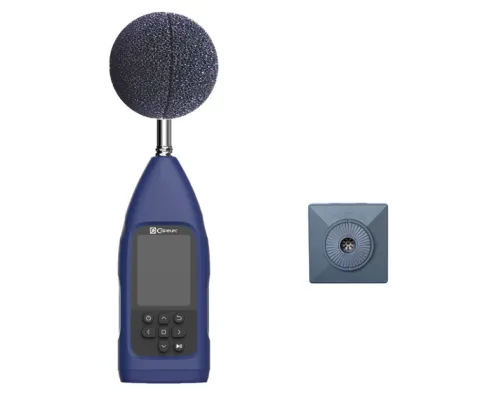
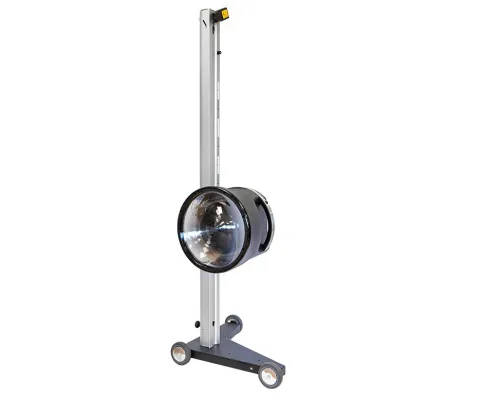
Capelec supports you in setting up your centre and supplies fully equipped inspection lines.
Describe your needs and receive a tailored proposal within 48 hours.
Join Capelec's network of qualified professionals and offer your customers reliable, recognised vehicle inspection equipment.
Back to top