Modernising an existing vehicle inspection line

Replacing equipment on a line that is already in operation raises different issues to a new installation project: one must work around existing infrastructure, ensure compatibility and maintain business continuity. Here is how to prepare for a replacement.

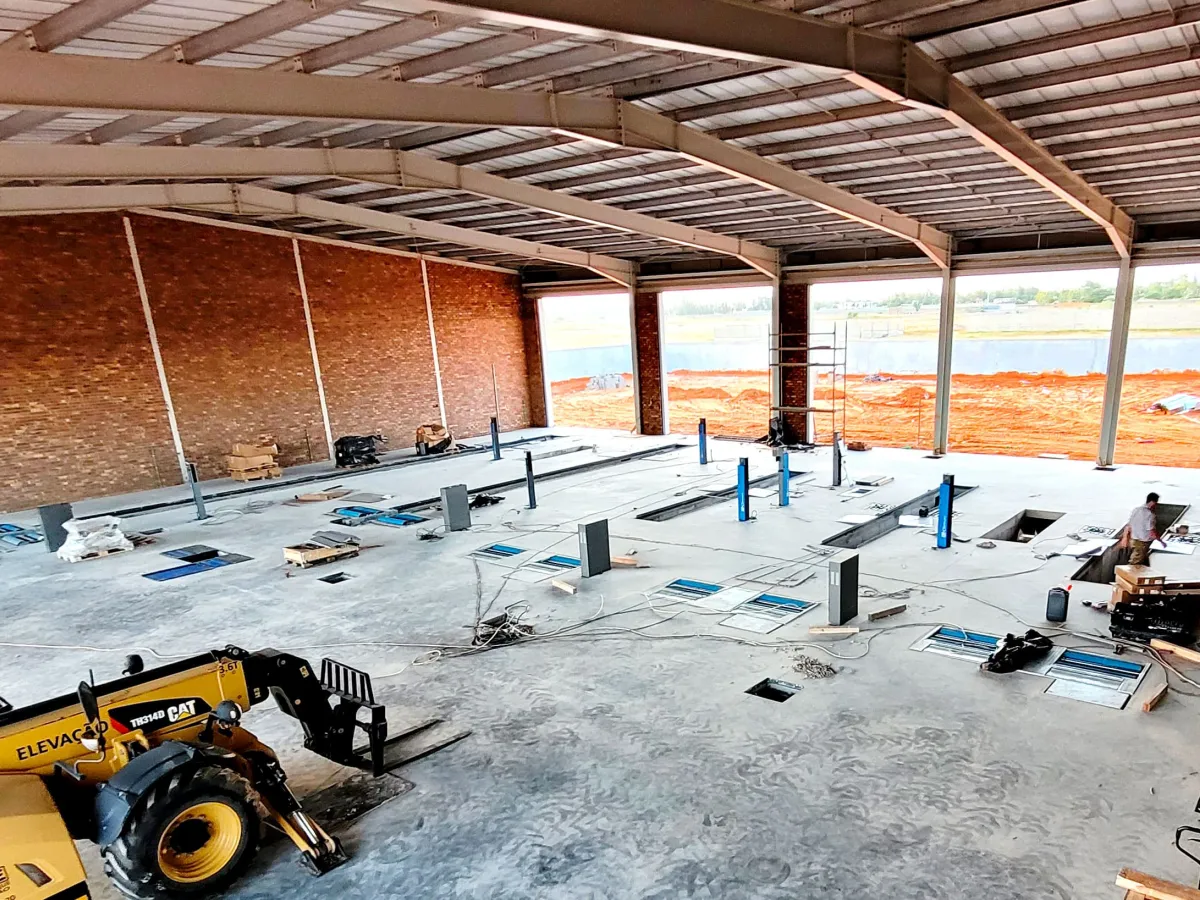
Chantier d'installation de lignes de contrôle technique dans un grand hall

Why is line equipment replaced?

A decision to replace equipment is rarely based on a single reason. However, identifying the main reason helps to determine whether to carry out a targeted repair or a complete replacement.

  • Changes in applicable requirements: equipment that can no longer be updated to comply with the protocols in force in your market.
  • Parts availability: older equipment for which parts are becoming increasingly difficult to source exposes the centre to prolonged downtime.
  • Processing time: poorly integrated equipment increases the number of steps and data re-entry.
  • Changes to the fleet under management: powertrains, lighting technologies or vehicle categories that were not predominant at the time of the initial installation.
  • Standardisation of a network: aligning several sites with the same configuration to simplify operation and maintenance.

Carry out an inventory of the existing fleet before comparing quotes

A modernisation project is planned based on the existing setup. The following inventory forms the basis of the study: it determines what can be retained, what needs to be replaced and what requires work.

  • Make, model and year of commissioning for each piece of equipment.
  • Installation method: recessed, above ground, in a pit.
  • Software versions in use and interfaces employed.
  • History of faults and maintenance work.
  • Operational constraints: opening hours, daily volume, off-peak periods.

Compatibility between new equipment and an existing installation — fixed structure, pit, connections, software interfaces — must be verified on a case-by-case basis. It cannot be assumed on the basis of dimensions alone, and is one of the points examined during the feasibility study.

Partial replacement or complete renewal?

Both approaches are valid; they simply do not address the same constraints.

Targeted replacement Complete renewal
Operational disruption Limited to the workstation concerned, often manageable during a quiet period. Longer, to be scheduled during a planned closure.
Works Reduced if the existing layout is retained. Opportunity to review the layout and traffic flow.
Line consistency Equipment of different ages and generations to be made to coexist. A homogeneous system, simplifying supervision and maintenance.
Investment Spread out over time, station by station. Concentrated, but with visibility spanning several years.

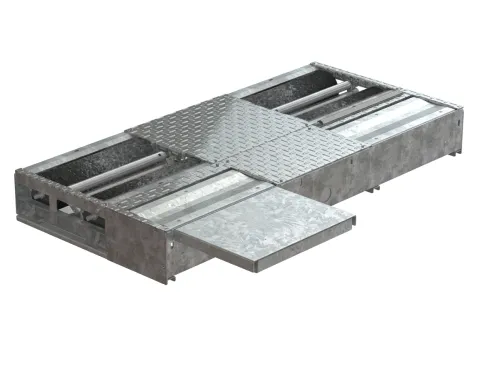
In practice, many centres proceed in stages, starting with the most challenging section — often the brake tester, as it involves civil engineering works — and then gradually bringing the rest of the line up to standard.

Replace without rewriting the whole thing

Equipment designed to integrate into an existing installation and adapt to changing regulations.

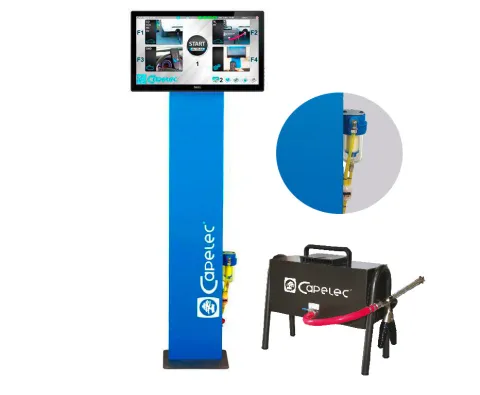
CAP3600 GO unit
Modular design that facilitates updates and technological developments.
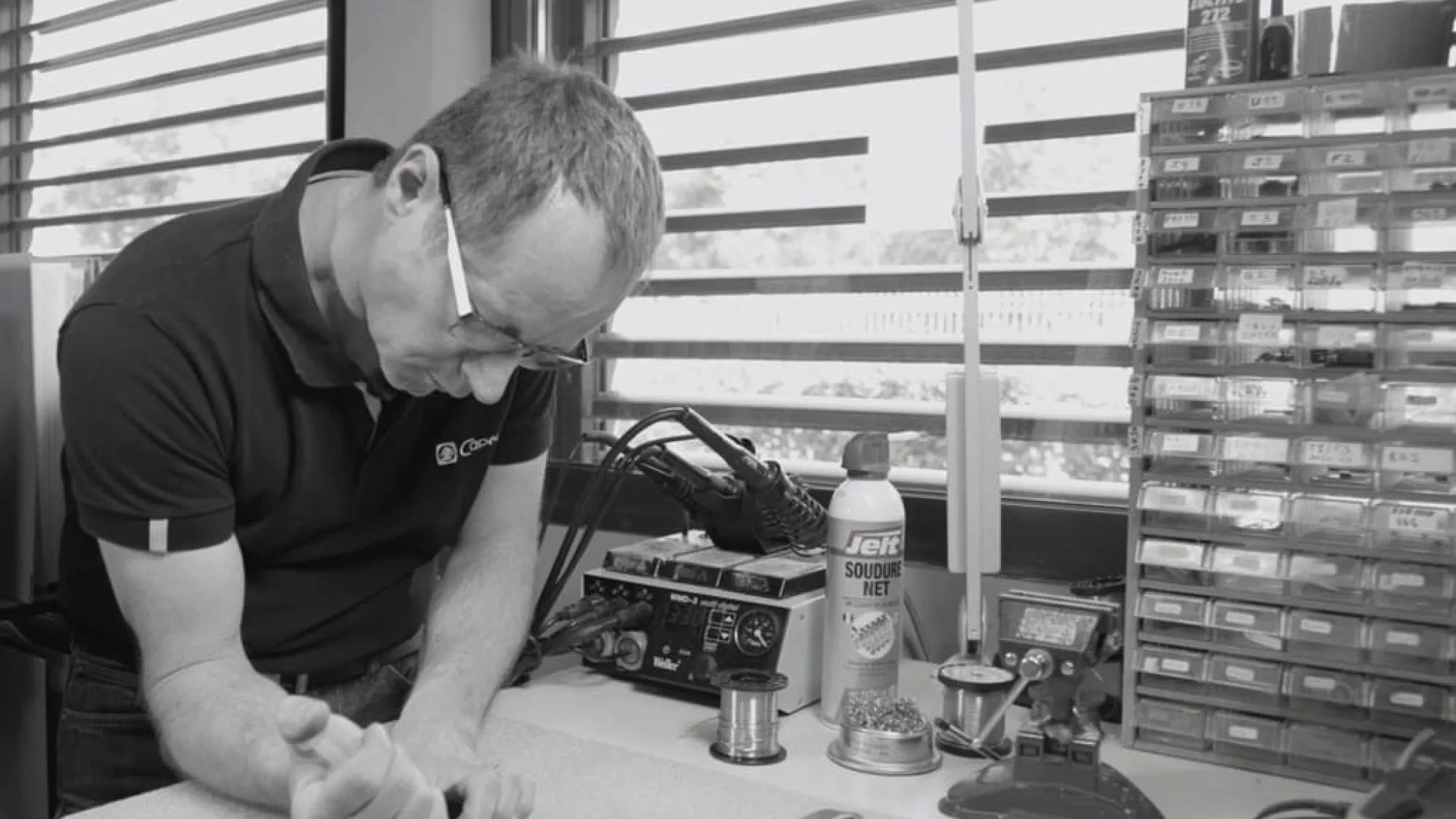
Capelec technician working on testing equipment
A replacement is being organised in collaboration with the teams familiar with the existing installation.

The process of a replacement

The challenge of modernisation is not just the equipment: it is managing the period during which the line is out of service.

01

Inventory and diagnostics

Fleet status, operational constraints and reasons for renewal.

02

Compatibility assessment

Verification of the existing installation, connections and interfaces.

03

Project planning

Selection of the service window and sequencing of the components to be replaced.

04

Removal, installation and re-testing

Removal of old equipment, installation, configuration and resumption of operations.

Why choose Capelec

Design office and factory together in Montpellier: you deal directly with the designer and manufacturer of your equipment, from design to maintenance. Equipment in use on every continent, with subsidiaries in Germany and India.

30+ years

designing and manufacturing measuring equipment

ISO 9001

certified production, every unit checked at the end of the line

10%

of revenue invested in research and development

48h

to receive a proposal tailored to your project

Frequently Asked Questions

Can we avoid any disruption to operations?

A service interruption occurs as soon as a vehicle is brought in for testing. Its duration depends on the equipment involved, the nature of the work and the centre’s organisation. It is estimated during the assessment, based on your configuration, and is not announced in general terms.

Can newer equipment be integrated into an older test line?

This is common, but it must be verified: dimensions and integration with the existing infrastructure, available connections, and software interfaces with the rest of the line. These points form part of the compatibility assessment.

How should a network comprising several centres be handled?

A network would be well advised to define a common target configuration, then apply it site by site as equipment is replaced. Standardisation facilitates operator training, maintenance and the tracking of updates. See support for major projects.

What happens to the registered equipment?

The disposal of replaced equipment — trade-in, scrapping or refurbishment — is dealt with on a case-by-case basis in the proposal, depending on its condition and nature.

Continue

Is the fleet due for renewal?

Tell us about your current setup and your operational constraints: we will assess possible replacements and how to phase them in.

Back to top