IR temperature probe and applicable standards
News - 14/06/2012

Search
Change language
CloseIR temperature probe and applicable standards
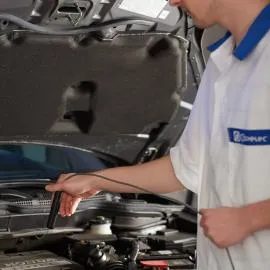
SRV F9-2 stipulates the following during testing:
Ҥ 4.3: Requirements relating to temperature measurement:
The measurement of engine oil temperature shall be carried out using the device or one of the devices specified by the manufacturer at the time of type approval ”
The LNE annex explains:
“What the type-approval certificate LNE-6689 rev. 7 provides as evidence:”
The European Directive incorporates these solutions:
2010/48/EU: lists the methods that meet the conditioning requirements for carrying out the test:
Ҥ 8.2.2.2: Opacity measurement, vehicle conditioning, requirements concerning conditioning:
The engine must be warm: in other words, the engine oil temperature measured by a sensor in the dipstick tube must be 80°C or correspond to the normal operating temperature if this is lower, or the engine block temperature, measured by the level of infrared radiation, must reach a value at least equivalent to this ”
SRV F9-1 sets out provisions for conditioning during the test but does not specify the means:
Ҥ 5.1: Preliminary checks:
The engine must be at its normal operating temperature. ”
“ § 4.1: The gas analyser must be equipped with – a system for measuring the engine’s operating temperature ”
At the same time, certificate LNE 6688 states that the engine temperature sensor is not part of the type examination: this leaves the manufacturer free to choose the most relevant and best-suited technique.
Back to top