CDC 6B: The submission of new data will become mandatory starting in 2023
16/06/2022

Search
Change language
CloseCDC 6B: The submission of new data will become mandatory starting in 2023
The European Commission has formalized the new regulations regarding the OBFCM, which will apply to more than 27 European countries, including France. It requires automakers to provide new information on light-duty vehicles put into service starting in January 2021.
On-board computers in newer vehicles provide a range of data, which is used during vehicle inspections or in the event of a breakdown via the OBD system. On-Board Fuel Consumption Monitoring (OBFCM) requires the monitoring of additional data.
This monitoring will make it possible to quantify, in real time, two important aspects of the vehicle fleet (excluding electric vehicles): total fuel consumption and the total distance traveled by a vehicle during its first 15 years on the road.
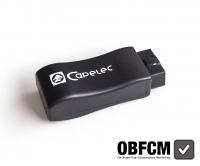
Vehicle inspection networks will be responsible for transmitting this information during the mandatory emissions, gas, and opacity test. Reporting this data will therefore require connected hardware and software capable of communicating with secure servers. Starting January 1, 2023, testing centers must use an OBD scanner compatible with this new UTAC regulation.
The goal of this environmental measure is to enable the European Environment Agency to assess the extent of CO2 emissions attributable to motorists. Tests are therefore now conducted under real-world conditions and take into account the vehicle’s entire lifespan. The measure is set to take effect in 2023.
The collection and processing of this data will only take place with the driver’s individual consent. These activities will be governed by the General Data Protection Regulation (GDPR), which protects individuals and their personal data.
Back to top