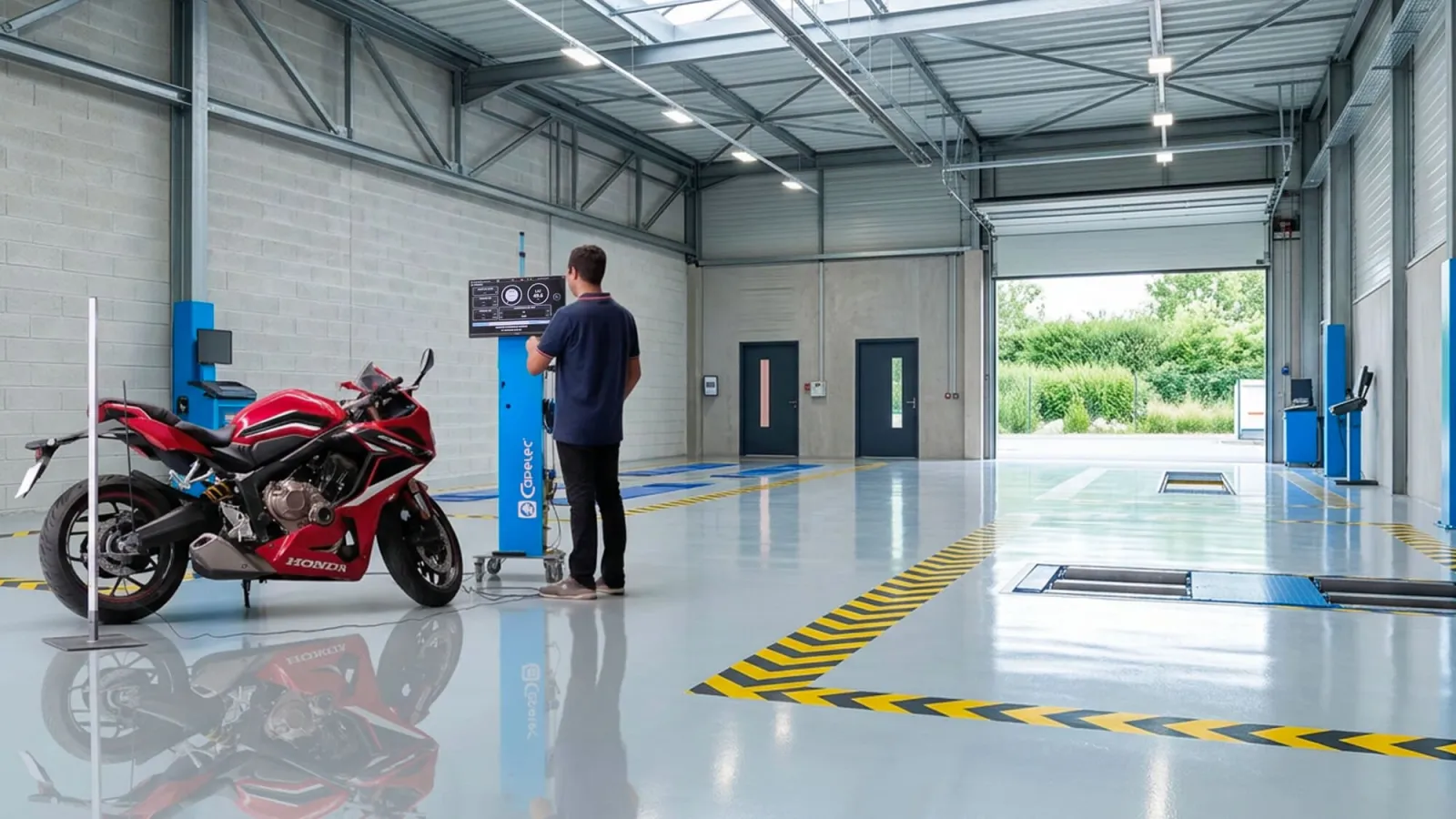
Equipping a motorcycle vehicle inspection center

Setting up a vehicle inspection service for Category L vehicles—or adding this service to an existing center—requires equipment suited to light-duty vehicles, which are unstable and highly diverse. Here’s how to prepare the setup.

Expertise niveau sonore

Category L is not limited to motorcycles

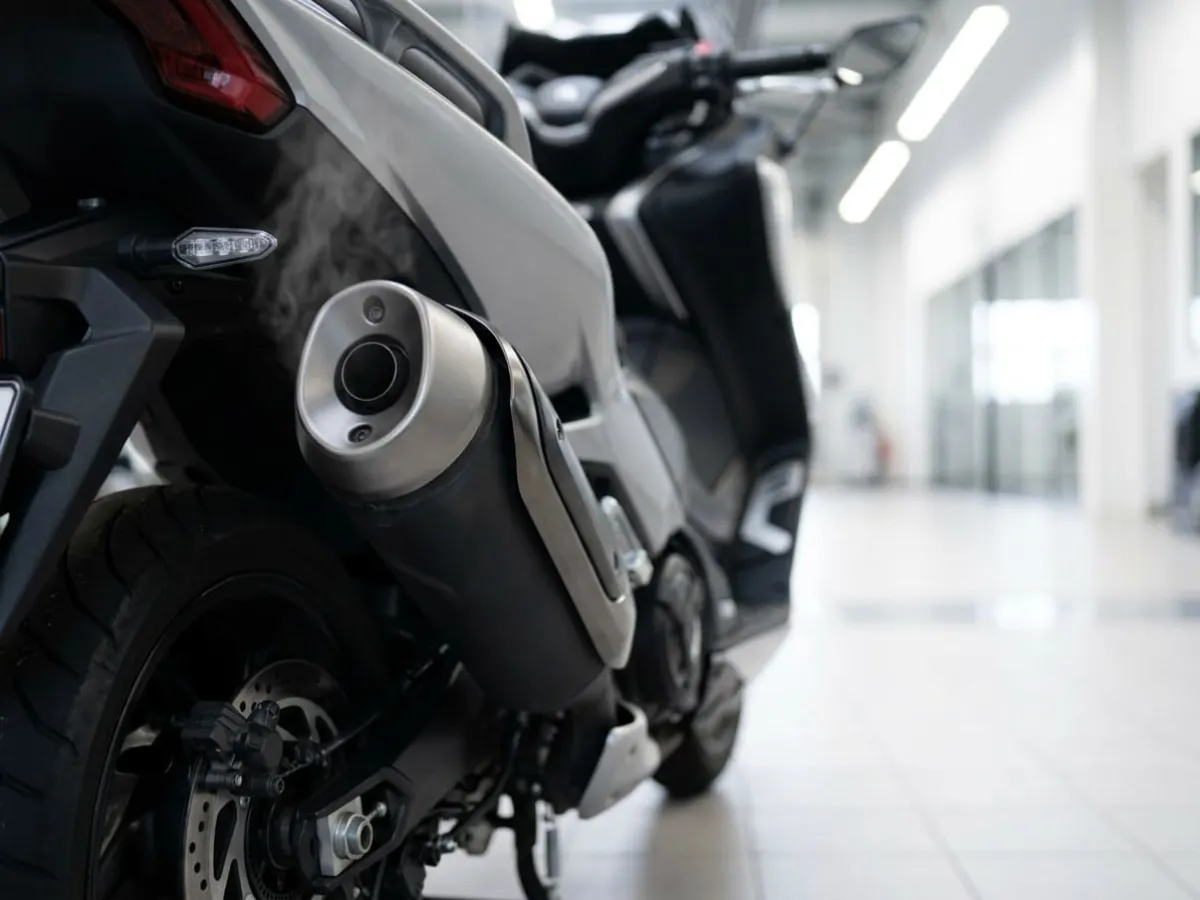
Talking about “motorcycle technical inspection equipment” is convenient, but reductive. Category L encompasses a much broader family of vehicles, whose sizes and mechanical configurations differ significantly.

  • Mopeds and motorcycles, with or without a sidecar.
  • Electric scooters and bicycles as part of roadside inspections conducted by the police.
  • Motorized tricycles, whose track widths and wheelbases vary widely.
  • Light and heavy quadricycles, sometimes with a body, which are similar in size to a light vehicle.

This diversity has a direct impact on the equipment: a workstation designed solely for a two-wheeled motorcycle will not handle a tricycle or quadricycle under the same conditions. The intended scope of operations must therefore be determined before defining the configuration.

Measurement requirements specific to these vehicles

The measurement categories remain the same as those of a conventional inspection line, but their implementation differs. Three key features stand out.

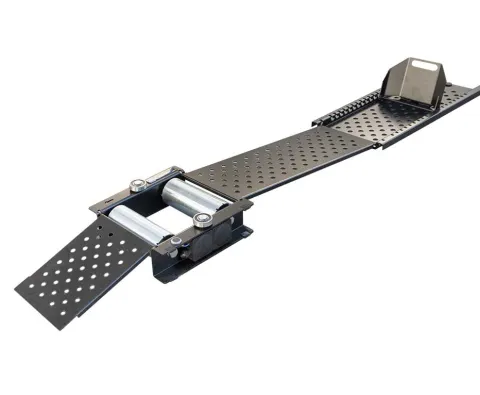
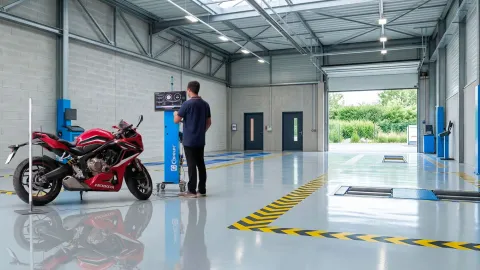
  • Vehicle stability during measurement. A two-wheeler is not stable on its own: maintaining the vehicle’s stability is critical to both the reliability of the measurement and the operator’s safety.
  • Reduced loads and track widths. The usable measurement ranges are much smaller than those of a light vehicle: an oversized instrument loses precision at these values.
  • Access to measurement points. The exhaust, lighting, and braking systems are located differently from one model to another, which requires flexibility in setting up the workstation.

The equipment selected depends on the protocols applicable to your market and the range of vehicles you expect to receive. It is determined during the planning phase, based on the equipment available for this activity.

Capelec equipment for Category L

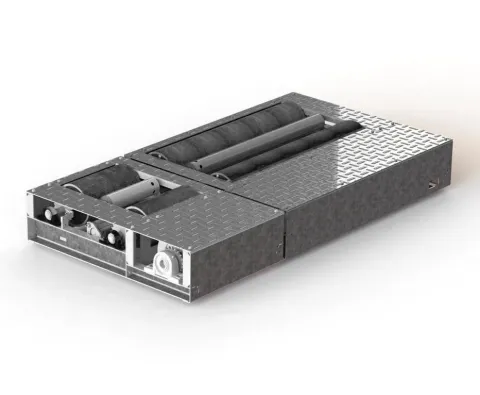
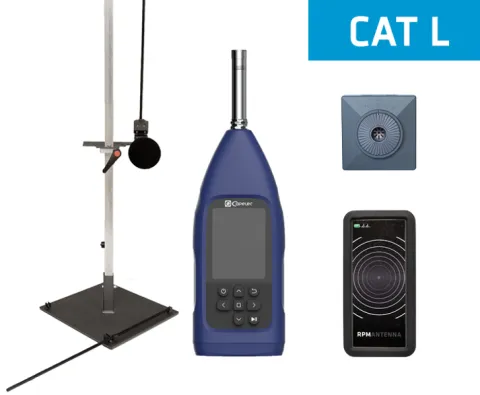
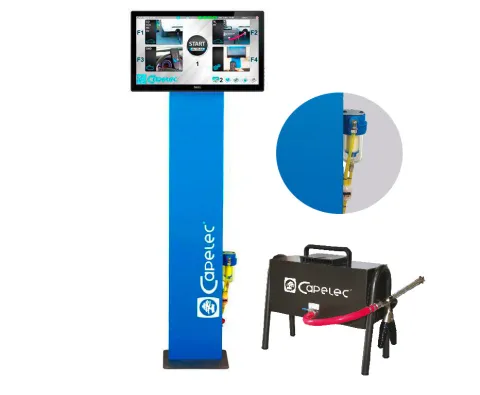
Braking, noise level, speed, and emissions: testing stations for two-wheelers, tricycles, and ATVs.

CAP3600 GO Combo Unit
Analyzer and opacimeter compatible with vehicle inspection for 2-, 3-, and 4-wheeled vehicles.

Integrating the operation into the facility

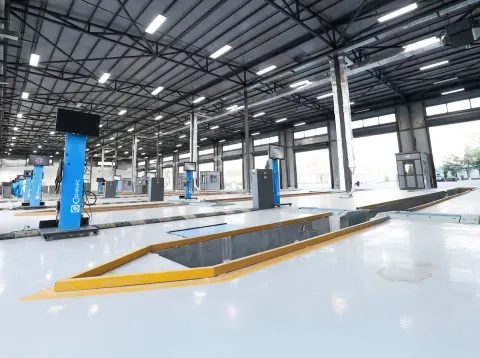
A Category L line takes up less space than a light-duty vehicle line, but it requires its own specific layout: its compact size does not eliminate the need for a properly sized workstation.

  • A dedicated measurement area, with sufficient clearance around the vehicle.
  • An adapted access point: a two-wheeler is maneuvered by hand, which changes the requirements for thresholds, slopes, and passage width.
  • A headlight adjustment area that meets the requirements of the selected equipment.
  • A separate waiting area, as traffic volumes can be high during short time slots.

Start a new business or expand an existing center?

Both scenarios occur. At an existing light-duty vehicle inspection center, the challenge is to integrate a Category L station without disrupting existing operations—which is treated as a full-fledged site planning study. For a new facility, however, the Category L activity can structure the premises from the outset.

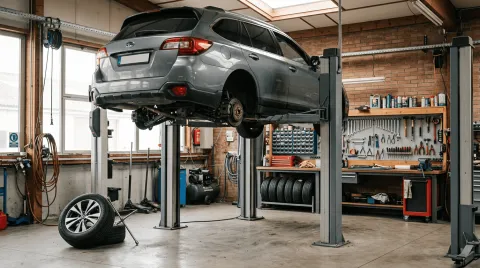
Can we use the existing light-duty vehicle equipment?

This depends on each device: measurement ranges, channels, and vehicle holding method. Some equipment covers multiple categories, while others do not. Compatibility must be verified on a model-by-model basis, never as a general rule.

What requirements apply?

The protocols and documentation required for the inspection of Category L vehicles vary by country and are subject to change. They are reviewed with you during the project, in accordance with the regulations in effect in your market.

Why choose Capelec

Design office and factory together in Montpellier: you deal directly with the designer and manufacturer of your equipment, from design to maintenance. Equipment in use on every continent, with subsidiaries in Germany and India.

30+ years

designing and manufacturing measuring equipment

ISO 9001

certified production, every unit checked at the end of the line

10%

of revenue invested in research and development

48h

to receive a proposal tailored to your project

This page is intended for professionals equipping a testing center. If you are looking for information about the vehicle inspection for your own two-wheeler—schedules, fees, inspection items—please contact an authorized testing center near you.

Continue

Planning a project in the L category?

Please specify the vehicles you wish to inspect and the layout of your facility: we will evaluate the equipment and its integration.

Back to top