The L category vehicle inspection comes into force on 15 April 2024
10/01/2024

Search
Change language
CloseThe L category vehicle inspection comes into force on 15 April 2024
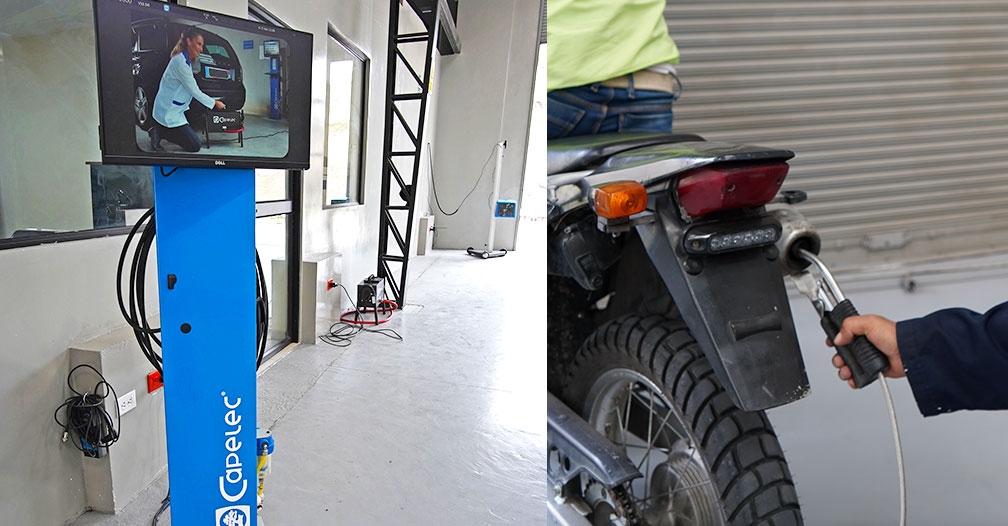
Periodic vehicle inspections are now compulsory for vehicles in the L category subject to registration, with an engine capacity of 50 cm³ or more.
They will be phased in gradually according to the vehicle’s age, to avoid overcrowding at inspection centres.
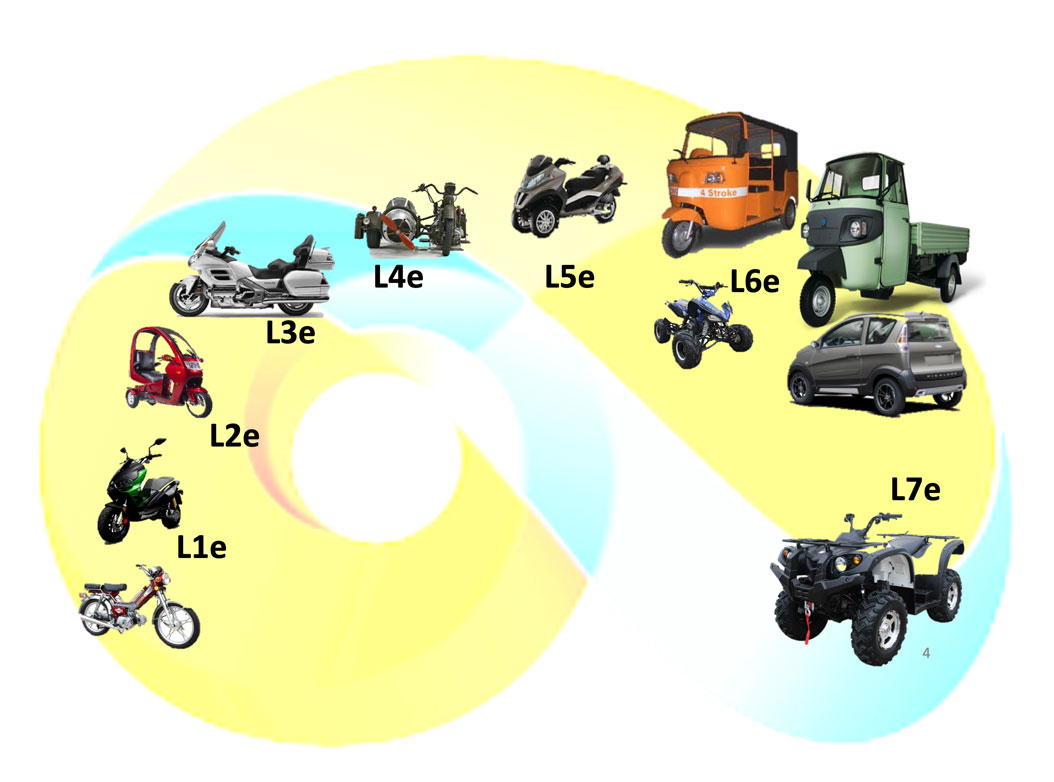
The vehicles affected are mopeds, motorbikes, scooters, quads and licence-free cars.
To find out whether your vehicle is required to undergo the new two-wheeler roadworthiness test, check field J on your vehicle’s registration certificate and refer to the detailed list here: https://www.utac-otc.com/Categorie_L.
Vehicles not subject to periodic vehicle inspection:
• Vintage vehicles first registered before 1 January 1960
• ‘ENDURO’ and ‘TRIAL’ vehicles (falling under the sub-sub-categories L3e-A1E, L3e-A2E, L3e-A3E, L3e-A1T, L3e-A2T, L3e-A3T) and owned by holders of a licence issued by a sports federation authorised by the Minister responsible for sport to organise motorcycling activities
When should you have your motorbike vehicle inspection?
When should you take your motorbike or scooter for its first vehicle inspection?
Vehicle inspections for motorised two-wheelers must be carried out once the vehicle is five years old, and then every three years. They are valid for three years.
If the vehicle is sold, the roadworthiness test must have been carried out within the last 6 months.
|
Date of first registration: |
Date of first periodic vehicle inspection: |
|
Up to 31 December 2016 |
Between 15 April and 31 December 2024 |
|
Between 1 January 2017 and 31 December 2019 |
Between 1 January and 31 December 2025 |
|
Between 1 January 2020 and 31 December 2021 |
Between 1 January and 31 December 2026 |
Source: https://www.utac-otc.com/Categorie_L
What will be the key points to check and the equipment required under these new regulations?
The procedure is less extensive than that required for light vehicles and heavy goods vehicles, and will be phased in gradually.
The checks will focus on aspects relating to driver safety, environmental and noise pollution, and the speed limit.
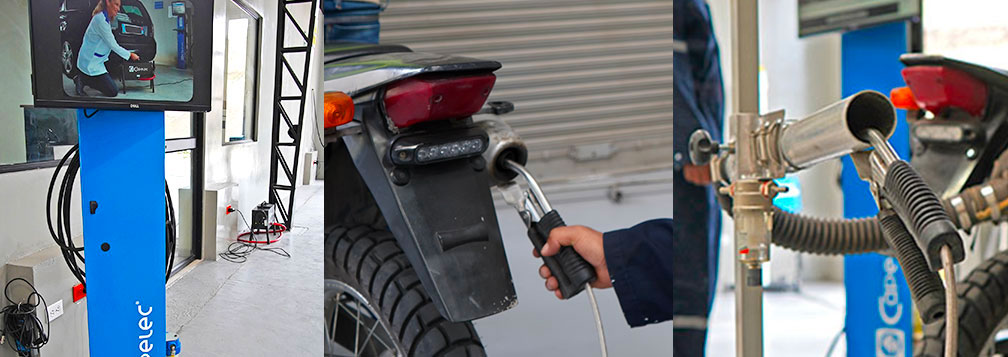
Capelec supplies the equipment required for this new mandatory inspection.
Centres already equipped with a CAP3600 gas analyser for inspecting light or heavy goods vehicles will be able to update their equipment free of charge.
The new vehicle inspection for vehicles in the L category will take place in three phases.
PHASE 1
• Vehicle identification
• Vehicle braking system
• Steering
• Visibility
• Lights, reflective devices and electrical equipment
• Axles, wheels, tyres, suspension
• Chassis and chassis accessories
• Other equipment
• Nuisances.
What equipment is required?
The inspection is visual only; no specific equipment is required.
• Exhaust emissions test: measurement of exhaust gas emissions and smoke opacity
What equipment is required?
→ The CAP3600 GO Capelec combined gas and opacity analyser. Centres already equipped with this will carry out a software update.
→ Accessories for sampling exhaust gases
PHASE 2
• Testing for noise pollution emitted by the vehicle
What equipment is required?
→ Capelec sound level meter for noise measurement. Centres already equipped with this will carry out a software update.
→ Engine speed measurement equipment suitable for the L category.
PHASE 3
• Check of the authorised speed based on the engine power of L1e vehicles, which must be less than 45 km/h.
What equipment is required?
→ Capelec speed tester
Result and validity of the periodic vehicle inspection
|
Result of the periodic vehicle inspection: |
Validity: |
|
Passed vehicle inspection: |
Three years (Five years for classic cars) |
|
Failed vehicle inspection due to a major fault: |
Two months |
|
Failed vehicle inspection due to a critical fault: |
On the day of the test |
Back to top