


France: review after two years of implementing PTI for L-category vehicles
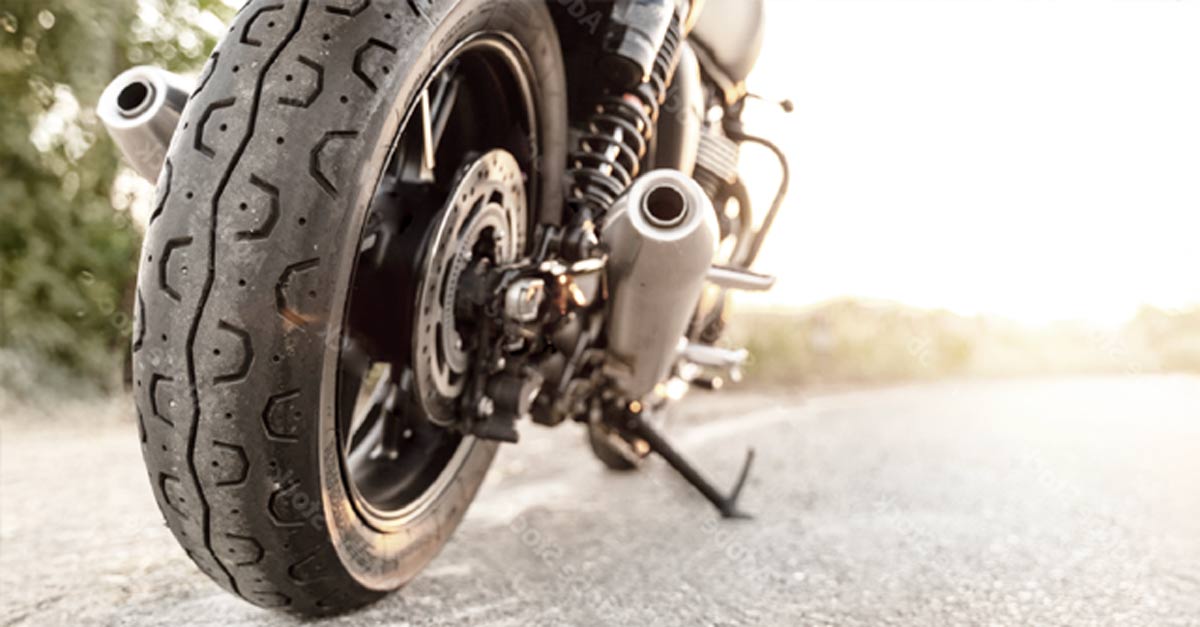
- ↦ The deployment of Category L technical inspections progressed gradually but exceeded expectations, with more than 2.2 million inspections carried out between 2024 and 2025
- ↦ More than half of light vehicle PTI centers are now equipped to inspect two- and three-wheel vehicles
- ↦ The number of re-inspections and defect points varies significantly depending on the type of vehicle inspected
- ↦ The inspection highlights major road safety and vehicle maintenance issues
Implementation of motorcycle Periodical Technical Inspections
Technical inspections for two-wheelers, three-wheelers and quadricycles are now fully implemented in France. They mainly focus on safety components and pollutant emissions. Two years after the beginning of the rollout, the Central Technical Organization has published figures providing an initial assessment.
More than 110,000 tests carried out every month
Made mandatory in France in April 2024, the implementation of Category L PTI — commonly referred to as motorcycle technical inspections — was introduced progressively.
Although the rollout was initially slow, with PTI centers equipping themselves according to the schedule established by the 2023 Ministerial Order, it eventually exceeded even the most optimistic forecasts.
Figures published this week by UTAC/OTC report 2,210,857 inspections between April 2024 and December 2025 in mainland France and overseas territories. This represents 7.65% of all periodical technical inspections across all vehicle categories combined.
A well-distributed national network of Category L PTI centers
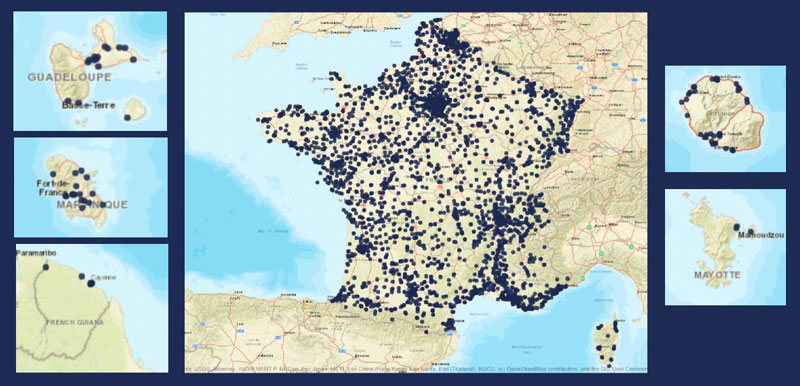
Technical inspection operators have adapted to this new regulation, and more than half of light vehicles inspection centers now offer PTI for two- and three-wheel vehicles, representing 3,783 approved Category L centers in France.
The implementation of this new activity has not led to any major congestion in inspection centers, as it still represents a relatively small share compared to conventional automotive inspections.
Today, geographical coverage ensures a strong nationwide network of mixed centers inspecting both passenger vehicles and Category L two-wheelers.
Source: https://www.utac-otc.com/actualite/Pages/Bilan_Categorie_L
Initial assessment of the condition of the Category L vehicle fleet
Significant differences depending on vehicle categories
Major differences exist between vehicle categories. Light quadricycles (L6), such as Ami-type microcars, show the poorest results. Nearly one in three light quadricycles requires a re-inspection.
Mopeds and scooters (L1) are also problematic, particularly due to defects related to tires, lighting and noise/pollution.
Finally, motorcycles (L3), representing 74% of the inspected fleet, generally appear to be well maintained, with a relatively limited defect rate. However, nearly 45% still present at least one defect.
Overall, the fleet is aging and defects are common. In total, 259,911 vehicles were referred for re-inspection, mainly due to defects involving tires, braking systems, lighting and emissions.
Brakes and headlights: the main safety issues for Category L vehicles
Braking and lighting defects, which are major road safety concerns, are among the most common issues identified during motorcycle technical inspections. However, they are usually detected before becoming critical.
Braking appears to be one of the main weaknesses across all vehicle categories, with light quadricycles being the most affected category: 31% of defects.
Visibility-related defects are also widespread: between 10% and 30% of vehicles show an issue affecting this function.
Noise and pollutant emissions (noise and gas emissions) also affect a significant proportion of the fleet, particularly two-wheel vehicle noise, which has only been measured since July 2025.
Here again, disparities exist between vehicle categories, but this new regulation highlights maintenance issues that are essential for both safety and environmental protection.
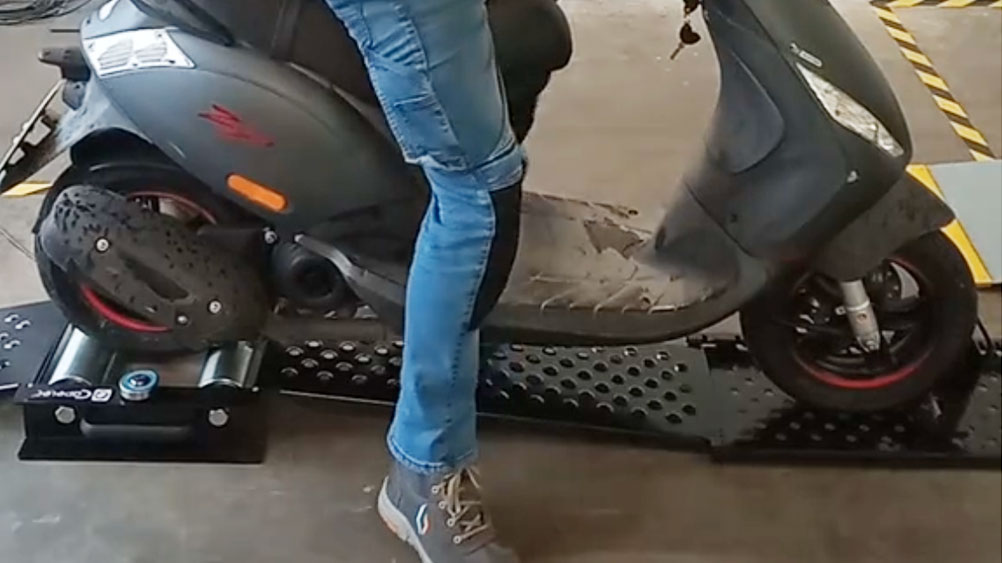
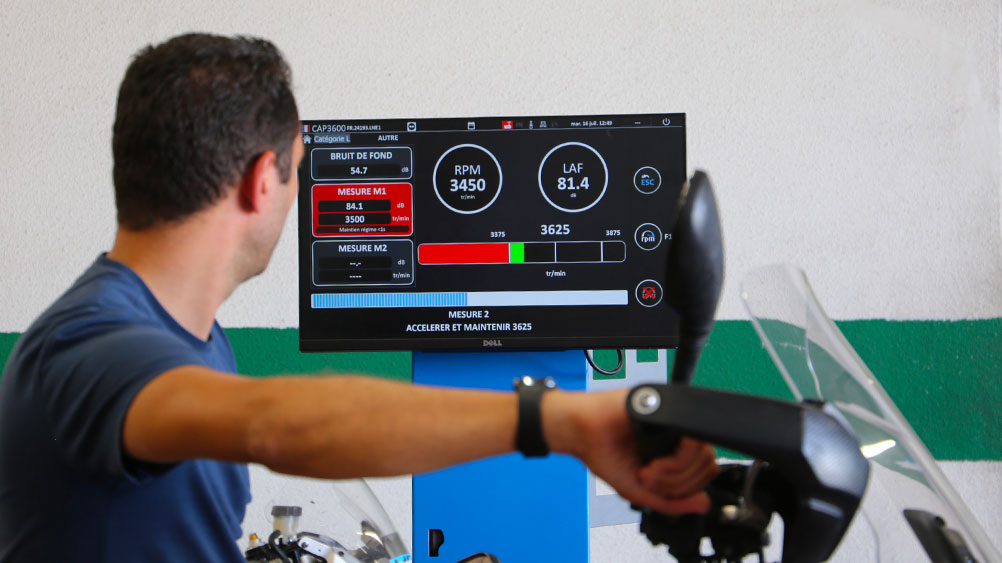
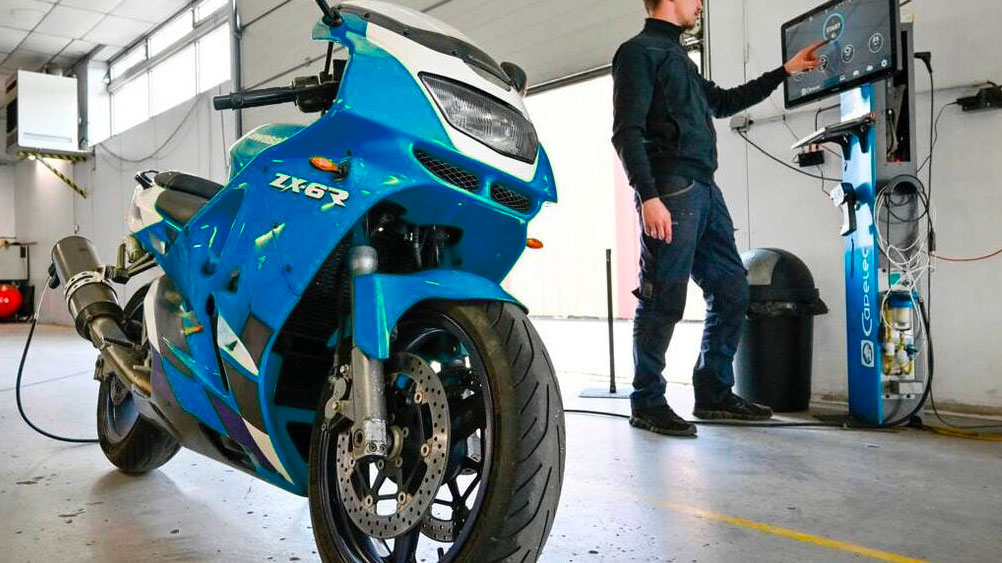
Measurement equipment required for Category L PTI
To comply with regulatory requirements regarding these specific points, as with automotive technical inspections, inspection centers must use approved periodical technical inspection equipment adapted to Category L vehicles: gas analyzer, sonometer, and the speedometer.
A still partial assessment
Motorcycle mandatory PTI generate traffic for approved inspection centers, both during mandatory inspections and second-hand vehicle sales. However, the rollout phase is still ongoing.
As mandatory inspections occur every 3 years after the first inspection, the assessment will not be fully consolidated before 2027–2028, when the entire fleet will have entered the inspection cycle.
Source: OTC - Central Technical Organization
Articles récents